Monkey Bars Font Review
As a web designer, I’m always on the lookout for fonts that bring personality to digital projects without sacrificing usability. Monkey Bars, a handwritten font from Script Amp, has quickly become a go-to for creative web layouts and brand experiences.
First Impressions: A Handwritten Touch for Digital Design
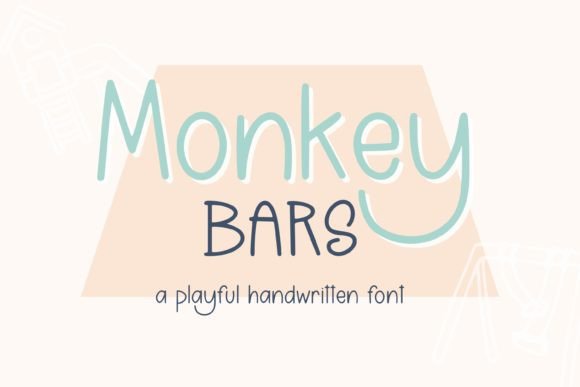
Testing Monkey Bars on a new portfolio site, I was immediately drawn to its playful yet polished style. The strokes feel organic, like a real hand writing each letter, which adds warmth to any digital interface. It’s not just a font—it’s a visual story that tells a tale of creativity and authenticity.
On a hero section with a background image of a sunlit studio, Monkey Bars stood out as a bold headline. Its natural flow made it feel like an invitation rather than a directive, perfect for a design-focused website or a lifestyle brand looking to connect emotionally with visitors.
Web Usability: Readability and Responsive Performance
One of my main concerns with decorative fonts is how they perform on mobile screens. Monkey Bars holds up well at larger sizes, making it ideal for headings, buttons, and call-to-action elements. But I’d avoid using it for body text—its curves and flourishes can make small text hard to read, especially on low-resolution devices.
When paired with a clean sans serif font like Open Sans, Monkey Bars shines as a display typeface. The contrast helps guide the eye and creates a clear visual hierarchy. For example, using it for a primary heading while keeping the body copy in a simple font makes the design feel both professional and approachable.
Real-World Applications: From Landing Pages to Branding
On a product landing page for a boutique online store, Monkey Bars worked beautifully as a headline over a featured item. Its energetic look matched the brand’s playful aesthetic, reinforcing the message that this is a place where creativity thrives. It also added a personal touch to the CTA button, making the action feel more inviting.
For a coaching website, I used Monkey Bars in the header and a few subheadings. The font’s charm complemented the site’s warm color palette and soft imagery, creating a cohesive and trustworthy experience. It felt like a friendly voice guiding the visitor through the content.
Design Considerations: When to Use and When Not To
Monkey Bars excels in areas where visual interest matters most. Think of it for headlines, logos, social media graphics, or promotional banners. Its personality makes it perfect for branding that wants to stand out without being overwhelming.
However, there are limitations. Using it for long paragraphs or dense information would be a challenge. On a dashboard or a form-heavy page, the font could reduce readability and frustrate users. Similarly, it’s not ideal for navigation menus or small text elements like labels or footnotes.
Font Pairing: Finding Balance in Web Typography
Pairing Monkey Bars with a modern sans serif or a subtle serif font can elevate a design. For instance, combining it with Lato or Georgia gives the layout structure while allowing the handwritten font to shine. This balance is key when designing for both aesthetics and accessibility.
I also found that using it sparingly keeps the design from feeling cluttered. A single headline or a short tagline in Monkey Bars can add a unique touch without overpowering the rest of the layout.
Technical Details: What You Need to Know
Before integrating Monkey Bars into a project, I checked the available styles, weights, and file formats. It comes in multiple versions, including regular and bold, which gives flexibility for different design needs. The font also supports multilingual characters, which is a plus for global brands or multilingual websites.
For commercial use, the licensing terms are clear and straightforward. As a web designer, I appreciate knowing that I can use it across multiple projects without worrying about restrictions. It’s also available as a webfont, making it easy to implement without compromising performance.
Final Thoughts: A Creative Asset for Web Designers
Monkey Bars is more than just a font—it’s a tool that brings character to digital design. Whether you’re building a personal portfolio, a brand identity, or a client’s website, it offers a fresh and engaging way to communicate visually. Just remember to use it thoughtfully, pairing it with complementary fonts and keeping readability in mind.
For designers looking to add a handmade feel to their work, Monkey Bars is a solid choice. It’s versatile enough for many applications, but best suited for display purposes where its charm can truly shine.